Your Guide to Emotional Support Animals
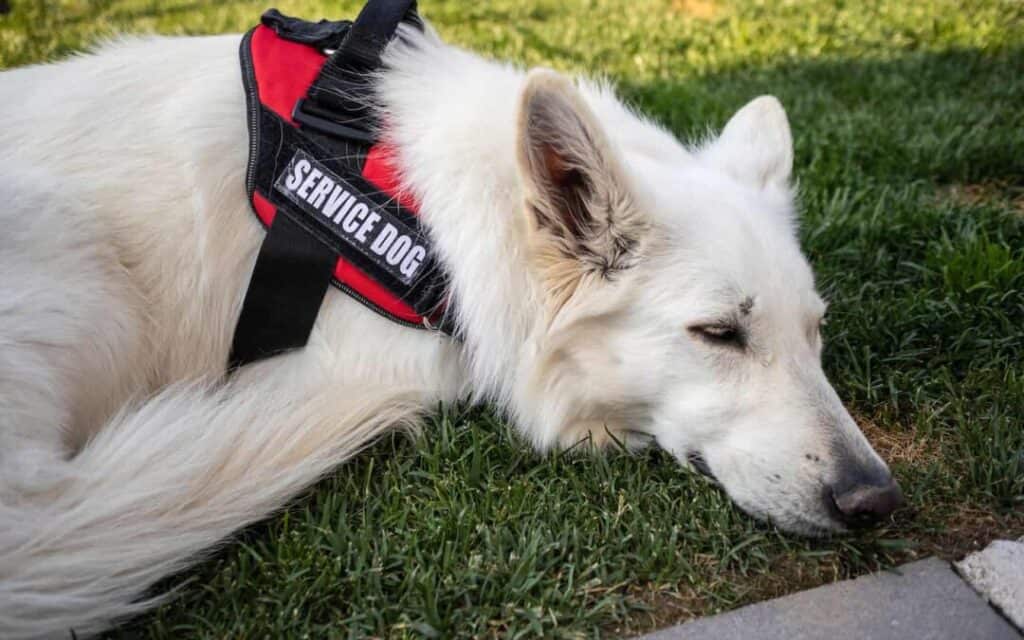
In a world where mental health is increasingly recognized as a vital component of overall well-being, Emotional Support Animals (ESAs) have emerged as a significant source of comfort and stability for many. An ESA is more than just a pet; it’s a companion animal that provides therapeutic benefits to an individual with a mental or emotional disability. This guide offers a clear path to understanding what an ESA is, how to legitimately obtain one, and the specific legal landscape, particularly for residents of California. The growing importance of ESA emotional support is undeniable, as these animals offer a unique, non-judgmental presence that can make a profound difference in someone’s life.
Key Takeaways
- An Emotional Support Animal (ESA) provides therapeutic comfort to individuals with a mental or emotional disability but is not the same as a service animal and does not require specialized training.
- The only legitimate proof for an ESA is an official letter from a Licensed Mental Health Professional (LMHP) who has an established therapeutic relationship with you.
- Official “certifications,” “registrations,” and “ID cards” for ESAs are not legally recognized and are often sold by misleading online services.
- In California, Assembly Bill 468 (effective since Jan 1, 2022) requires a client-provider relationship of at least 30 days before an LMHP can issue an ESA letter.
- Under the Fair Housing Act (FHA) and California’s Fair Employment and Housing Act (FEHA), landlords must provide reasonable accommodation for ESAs and cannot charge pet fees or deposits.
- ESAs do not have the same public access rights as service animals and are generally not permitted in places like restaurants, stores, or on airplanes.
What Exactly is an Emotional Support Animal?
An Emotional Support Animal is a companion animal that a medical professional has determined provides a therapeutic benefit to an individual with a mental or emotional disability. Unlike a pet, an ESA is a component of a treatment plan designed to alleviate symptoms through companionship and comfort. The primary role of an esa emotional support dog or other animal is to be a calming and supportive presence, helping to mitigate the challenges associated with conditions like severe anxiety, depression, post-traumatic stress disorder (PTSD), panic disorders, and various phobias.
It is crucial to understand the distinction between ESAs and Service Animals. Service animals, which are almost exclusively dogs, are individually trained to perform specific tasks for a person with a disability, such as guiding a visually impaired person or alerting someone to an impending seizure. They are protected under the Americans with Disabilities Act (ADA) and have broad public access rights. ESAs, on the other hand, do not require any specific training to perform tasks. Their very presence is their function. Consequently, their legal protections are different, primarily applying to housing situations.
The therapeutic benefits of having an ESA are well-documented. The simple act of petting an animal can lower cortisol levels and increase oxytocin, reducing stress and promoting a sense of calm. For individuals struggling with motivation or routine, the responsibility of caring for an animal—feeding, walking, and grooming—can provide essential structure and purpose to their day. This bond fosters a sense of unconditional acceptance and can significantly improve a person’s overall mental health and well-being.
Meet Our Mental Health Specialist
Jay Charboneau MS, LMHC, CAP
Licensed Mental Health Counselor – MH15843
Issue Date – 03/26/2018
Renewal Date – 03/31/2027
Phone Number: (727)344-9930
Email: jaycharboneau@gmail.com

About Jay
Hi, I am Jay Charboneau. I live, work, and practice in Saint Petersburg Florida. I am an educator and lifelong advocate of the rights of those suffering from mental health disorders. As a dog lover myself, I understand the emotionally soothing and healing benefits of having your pet with you. Don’t hesitate to call me if you have any questions about your mental health or an emotional support animal.
The Essential Steps to Getting an Emotional Support Animal
Navigating the process of how to get an emotional support animal is straightforward when you follow the correct, legitimate path. The journey begins with recognizing your own mental health needs. If you are experiencing symptoms of a mental or emotional condition that you believe could be alleviated by the presence of an animal, the first of the steps to getting an emotional support animal is to acknowledge this and seek professional guidance. Consulting with a healthcare provider can help you understand your symptoms and explore treatment options.
The cornerstone of this process is consulting with a Licensed Mental Health Professional (LMHP), such as a psychiatrist, psychologist, therapist, or licensed clinical social worker. It is this professional who can legally and ethically determine if you have a qualifying disability and if an ESA is a necessary part of your treatment. It’s vital that the LMHP is licensed to practice in your state and that you establish a genuine therapeutic relationship with them. This is not a step that can be skipped or rushed, especially in states with stricter regulations.
During your consultation, the LMHP will conduct a clinical evaluation. This involves a comprehensive discussion about your mental health, your symptoms, and how an animal’s companionship helps to mitigate them. If the professional determines that an ESA is a reasonable and necessary accommodation for your disability, they will provide you with a legitimate ESA letter. This formal document is the only “proof” you need. It must be printed on the LMHP’s official letterhead, include their license number, date, and signature, and explicitly state that you have a disability and that the ESA is recommended as part of your ongoing treatment.
Understanding ESA Certification, Registration, and Cards
One of the most confusing aspects for those seeking an ESA is the world of online “certifications” and “registries.” It is essential to understand a critical fact: there is no such thing as an official government-recognized certification or registration for Emotional Support Animals. The only required document to prove your need for an ESA is a legitimate letter from a licensed mental health professional. Any website offering to “certify” your pet or add it to a national registry for a fee is misleading consumers. These services provide no legal standing or protection.
Similarly, items like an emotional support animal card or an “official” vest are nothing more than optional accessories. While some owners find that a vest helps reduce public questioning, these items do not grant your animal any legal rights. Relying on an ID card or a certificate from an online registry as your proof can lead to your request for accommodation being denied, as housing providers are not required to accept them. The focus should always be on obtaining a proper ESA letter from a qualified professional.
This leads to a common question: can you get my dog esa certified free? Since official certification doesn’t exist, there’s nothing to get certified for free. However, the cost associated with obtaining a legitimate ESA letter is for the mental health professional’s consultation and evaluation service. If you already have a therapist or psychiatrist, you can discuss this with them as part of your regular treatment, potentially avoiding extra fees. For those without a provider, exploring local community mental health clinics can be a lower-cost option for receiving an evaluation.
Navigating ESA Requirements in California
California has some of the most robust protections for tenants in the nation, and this extends to individuals with Emotional Support Animals. The state’s Fair Employment and Housing Act (FEHA), in conjunction with the federal Fair Housing Act (FHA), requires landlords and other housing providers to make reasonable accommodations for tenants who require an ESA. This means a landlord cannot legally deny housing to someone with a valid ESA letter, even if the building has a “no pets” policy. They are also prohibited from charging pet rent or a pet deposit for an ESA.
However, in response to the proliferation of fraudulent online ESA services, California implemented Assembly Bill 468, which went into effect on January 1, 2022. This law introduced specific requirements to ensure the legitimacy of ESA letters within the state. Most importantly, AB 468 mandates that a healthcare practitioner must establish a client-provider relationship with the individual for at least 30 days before issuing an ESA letter. This was designed to prevent the sale of instant, illegitimate letters online and ensure that the recommendation comes from a professional who truly understands the patient’s condition.
The law also requires that the LMHP hold a valid license to practice in California and include their license number and effective date in the letter. It’s crucial for Californians to be aware of these rules when seeking a doctors note for emotional support animal california. While housing rights are strong, public access rights are not. ESAs do not have the same legal standing as service animals to accompany their owners into public places like stores or restaurants. Furthermore, due to changes in federal regulations, airlines are no longer required to accommodate ESAs in the cabin, and most have stopped doing so.
Frequently Asked Questions About ESAs in Florida
Navigating the world of ESAs can bring up many questions. From understanding legal rights to day-to-day responsibilities, getting clear answers is key. Here are some of the most common inquiries to help you on your journey.
There is no strict federal expiration date, but most housing providers adhere to a “one-year” rule, preferring a letter dated within the last 12 months. It’s best practice to have your letter renewed annually during a follow-up consultation with your LMHP to ensure your documentation is current and reflects your ongoing need for the animal.
No. Under the FHA and California’s FEHA, ESAs are considered a reasonable accommodation, not pets. Therefore, landlords cannot charge any pet-related fees, including deposits, monthly pet rent, or application fees. However, you are still financially responsible for any damages your ESA may cause to the property.
While dogs and cats are the most common, nearly any domesticated animal can be an ESA. The key requirement is that the animal is manageable in a residential setting and does not create an undue burden for the housing provider. The animal must provide a direct therapeutic benefit to you related to your disability.
As an ESA owner, you are responsible for the animal’s total care, including its health, hygiene, and behavior. You must ensure your animal is not a nuisance to others, is kept clean, and is properly contained. Responsible ownership is crucial to maintaining the integrity of ESA protections and ensuring a positive experience for you, your animal, and your community.